
Creating smooth, consistent sound across your entire living space is not always as simple as plugging in a speaker or connecting to Bluetooth. That is where the decision between wired and wireless audio becomes important. Both options have strengths that can make your home feel more connected, enjoyable, and inviting, but each also has limitations that are easy to overlook. In this post, you will get a clear breakdown of wired versus wireless home audio. You will learn how each system works, what kind of sound quality you can expect, how they fit into different home layouts, and what makes one option better than the other, depending on your lifestyle. Whether you are building a new home, remodeling your current one, or simply deciding how to upgrade a few rooms, understanding the differences will help you design a setup that feels perfectly tailored to your daily routine.
Wired Home Audio Speakers Explained
Wired home audio uses a physical speaker cable to send audio signals from an amplifier or AV receiver directly to each speaker. This hardwired path is simple in concept but extremely powerful in practice. Because the signal travels over copper instead of through the air, it is not competing with Wi Fi networks, Bluetooth devices, or neighbors’ routers for bandwidth.
From a performance standpoint, wired speakers are hard to beat:
- The signal path is lossless, so there is no compression or reduced bitrate compared to many wireless formats.
- Latency is extremely low, which is key for keeping sound in sync with on-screen action or with speakers in other rooms.
- Once professionally installed, a wired system is usually very stable and requires little troubleshooting over time.
The tradeoff, as you probably guessed, is effort. Wired systems require planning, cable routing, and often some drywall work if your home is already finished. The upfront investment is higher, but for many homeowners, the payoff is a system that feels invisible, dependable, and “just works” every time you press play.
Wireless Home Audio Speakers Explained
When most people hear “wireless speakers for home,” they are usually thinking about one of two technologies:
- Bluetooth speakers, which connect directly to your phone, tablet, or TV at short range
- Wi-Fi-based wireless home sound systems, which use your home network to stream audio to multiple rooms
Bluetooth is great for quick, one-to-one connections, but it has some real limitations for whole-home use. The range is usually 20 to 30 feet, the signal is often compressed, and audio latency can reach around 50 milliseconds, which is noticeable when watching TV or gaming.
Wi-Fi-based systems are more robust. Because Wi Fi has higher bandwidth than Bluetooth, a wireless home speaker system can deliver higher resolution audio with fewer dropouts and less lag. Many of the best wireless sound system options now support multi-room playback, voice control, and app-based grouping, so you can send music to one room, several zones, or the whole house.
Wired vs Wireless Home Audio: Key Differences That Matter
Before we break it down, keep in mind that many modern homes end up with a hybrid approach. You might have wired in ceiling speakers in main living areas and wireless speakers in secondary rooms or outdoors. You do not always have to pick only one.
Performance and Reliability
If you care deeply about sound quality, wired speakers still hold a noticeable edge.
Wireless systems have improved dramatically, especially with Wi-Fi-based platforms and advanced codecs, but they still depend on network health. If your router is overloaded or your house has weak coverage in certain rooms, you may occasionally hear dropouts, especially in a large wireless home sound system.
For casual listening, this may not bother you. For a serious home theater, audiophile music room, or synchronized whole home system, the consistency of wired speakers is a big reason custom installers still recommend them.
Installation, Aesthetics, and Flexibility
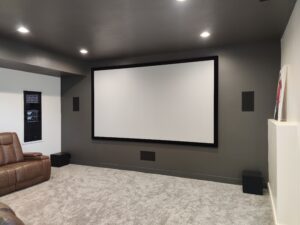
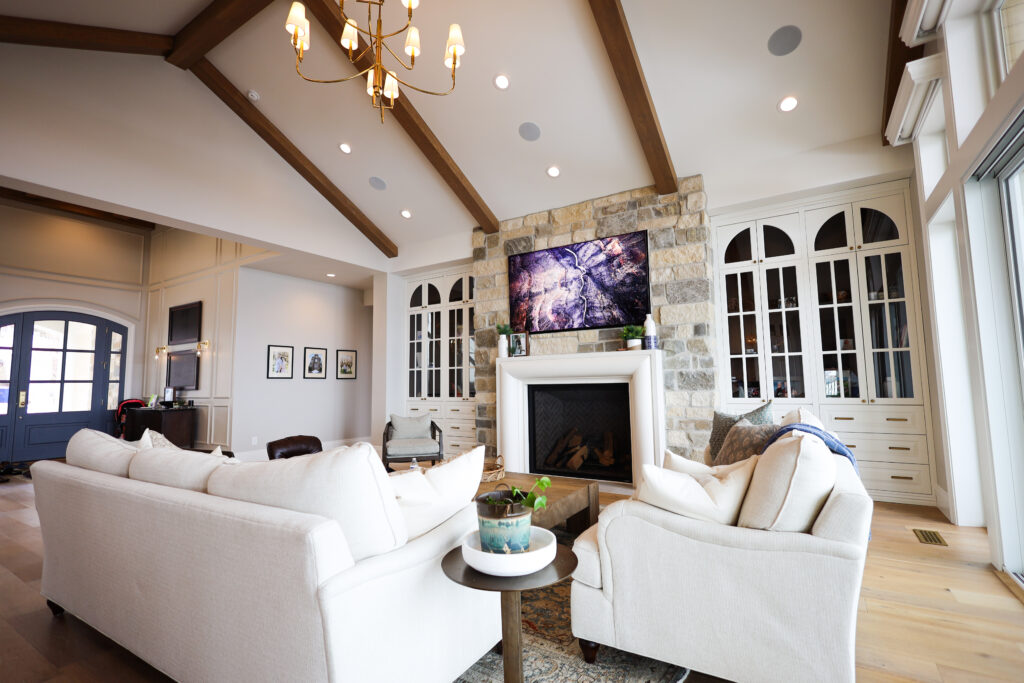
Wired systems require planning and labor. Cables need to be routed through walls or ceilings, speakers are often built in, and amplifiers are centralized in a media rack or closet. The result is incredibly clean, with no visible wires, but it is easiest to do during new construction or a remodel.
Wireless systems are plug-and-play. You set speakers on shelves or stands, connect to power, join them to your Wi Fi, and you are done. If you move furniture or change how you use a room, you can simply move the speaker.
Cost and Long-Term Value
At first glance, wireless can look cheaper. You buy only what you need and avoid wiring labor. However, when you compare wired vs wireless speakers at the same performance level, wired systems like Dolby Atmos are often more cost-effective over the long term.
- Wired speakers do not go out of date as quickly because they are not tied to specific streaming platforms or apps.
- Electronics in a central rack can be upgraded without touching the speakers in your ceilings or walls.
- High-quality wireless speakers sometimes cost more per room, especially when you factor in the need for strong Wi-Fi coverage or mesh systems.
Lifestyle and Smart Home Integration
Finally, think about how audio fits into the rest of your smart home.
A wired whole-home audio system controlled from touchscreens, keypads, or an app can feel incredibly polished. With a system like Nice, you tap “Dinner,” and music plays at a comfortable volume in the kitchen, dining room, and patio. You tap “Goodnight,” and everything turns off. When integrated with smart lighting and shades, audio simply becomes part of your home’s “scenes,” not a separate system you have to think about.
If you already have or are planning smart lighting, security, or home automation, you may want to explore a wired or hybrid audio solution that connects cleanly with those systems.
Pros and Cons of Wired and Wireless Home Audio Systems
This comparison table gives you a quick reference as you think through the best speakers for your home.
| System type | Key pros | Key cons |
| Wired home audio system | Highest and most consistent sound quality, ideal for home theaters and critical listening. Extremely reliable with almost no latency or dropouts. Great for whole home audio with centralized control and hidden equipment. Adds perceived value and polish in custom homes. | Requires planning and installation, especially in finished homes. Upfront cost can be higher once wiring labor is included. Less flexible if you want to frequently move speakers or reconfigure rooms. |
| Wireless home sound system | Fast to set up, no need to run cables. Easy to expand room by room. Great for renters, small homes, or secondary spaces. Strong app-based control and voice assistant integration, especially for popular wireless home speaker system brands. | Dependent on Wi Fi coverage and network quality. More prone to interference and latency, which can affect lip sync and multi-room timing. Some systems are locked into one ecosystem, which can limit long-term flexibility. |
If you are trying to choose a system for an entire home, a fully wired or mostly wired system will almost always deliver a better, more seamless experience. Wireless is fantastic for filling in gaps, adding music to a guest room or office, or creating a simple starter system.
Why Homeowners Are Upgrading to Whole Home Audio
Most people do not start with “I want speaker cable in every wall.” They start with something simple: wanting music in the kitchen while they cook, better dialogue clarity in the family room, or backyard audio for summer evenings.
As those needs grow, the value of a cohesive whole-home audio system becomes obvious. Instead of juggling different devices in every room, a whole-home or wireless home audio system takes into account your home’s layout, acoustic challenges, and how you actually live. That might mean:
- Durable outdoor speakers that coordinate with your landscape lightinghttps://aisav.com/what-is-a-subwoofer so your patio feels like an extension of the living room.
- Discrete in-ceiling speakers in hallways and bathrooms for soft background music.
- A reference-grade home theater anchored by wired speakers and a powerful subwoofer.
Whole home audio also pairs naturally with smart home automation. You can integrate your system with smart lighting, climate, and security so that when you arrive home, your favorite playlist starts at a comfortable level and the lights adjust automatically.
Whether your ideal system leans more wired, more wireless, or a mix of both, the common thread is intentional design. That is where working with a specialist becomes more important than the individual speaker brand you choose.
Let AIS Improve Your Home Audio Setup
Choosing between wired and wireless audio ultimately comes down to how you use your space and the level of performance you want. At AIS, we help homeowners create custom home audio systems that deliver rich, consistent sound in every room. We design and install fully integrated wired audio systems, multi-room setups, in-ceiling and in-wall speakers, dedicated audio zones, outdoor audio solutions, and smart control options that let you manage everything from your phone, touchscreen, or voice assistant. Our team handles the planning, wiring, installation, tuning, and system optimization so your audio sounds incredible the moment you turn it on. Contact us today for more information or to start transforming your space.