
Linear lighting has become one of the most popular ways to create clean, modern lighting in today’s homes. Instead of relying only on traditional overhead fixtures, homeowners are increasingly using linear lighting to add soft, even light to kitchens, hallways, ceilings, shelving, bathrooms, and living spaces. The appeal is easy to understand. Linear lighting looks sleek, works well in both modern and transitional homes, and can serve as task lighting, accent lighting, or ambient lighting depending on how it is designed. In this post, we will explain what linear lighting is, how it works, where it is commonly used, and why it is such a versatile option for homeowners who want both style and function.
What Is Linear Lighting?
Linear lighting is exactly what it sounds like. It is lighting delivered through a long, narrow fixture or LED run rather than a single central source.
Instead of one pendant, chandelier, or recessed can creating a concentrated pool of light, linear lighting spreads light along a line. That line can be visible as a decorative fixture or hidden within an architectural detail so the light itself becomes the focus rather than the hardware. This is one reason linear lighting has become so popular in modern homes. It creates a more refined visual effect and can be used in ways that feel subtle, elegant, and highly intentional.
In residential settings, linear light fixtures are commonly used for:
- under-cabinet lighting in kitchens
- recessed ceiling channels
- cove lighting
- shelf and display lighting
- vanity and bathroom lighting
- hallway illumination
- toe-kick lighting
- stair lighting
- closet lighting
Linear lighting is a way to deliver even, streamlined lighting while supporting the overall design of the room. That makes it very different from traditional lighting that is often chosen as a standalone fixture first and a lighting strategy second.
How Is Linear Lighting Different From Traditional Fixtures?
Traditional fixtures like chandeliers, pendants, and recessed cans usually create light from individual points. Each fixture has its own footprint and its own visual presence. That can work beautifully in many homes, especially when decorative lighting is a central design feature. But it also creates a different rhythm in the room.
Linear lights create a cleaner and more even visual effect. Rather than drawing your eye to a series of individual fixtures, they can guide the eye along a surface, an architectural line, or a built-in detail. That is why they are often associated with modern, minimalist, and high-end interior design.
How Does Linear Lighting Work?
In most residential applications, linear lighting uses LED technology housed in a slim fixture, channel, or architectural recess. The light source may be exposed through a diffuser or concealed so that the glow is visible without the fixture drawing attention to itself. The exact design depends on the application. Some linear light fixtures are surface-mounted and decorative. Others are recessed into drywall, millwork, cabinetry, shelving, or ceiling details so they feel almost built in.
There are a few core elements that shape how a linear lighting system performs:
LED light source
Most modern linear lights use LEDs because they are compact, energy efficient, long-lasting, and capable of producing consistent illumination in a very slim profile. That slimness is a major reason linear lighting can be integrated so cleanly into architecture and cabinetry.
Housing or channel
This is the physical structure that holds the lighting components. In some applications, it is a sleek fixture you can see. In others, it is recessed and nearly invisible.
Placement and design intent
The same linear lighting product can create very different outcomes depending on where it is installed. It can highlight texture, illuminate a task surface, soften a ceiling plane, guide movement through a hallway, or make built-in shelving feel more refined.
Where Can Linear Lighting Be Used in a Home?
One of the biggest strengths of linear lighting is its versatility. Here are some of the most common and effective places to use linear lighting in residential spaces.
Kitchen
The kitchen is one of the best places to use linear lights because it benefits from both strong function and clean visual design.
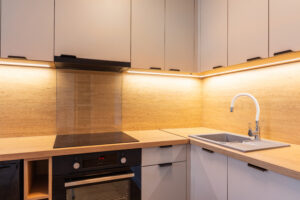
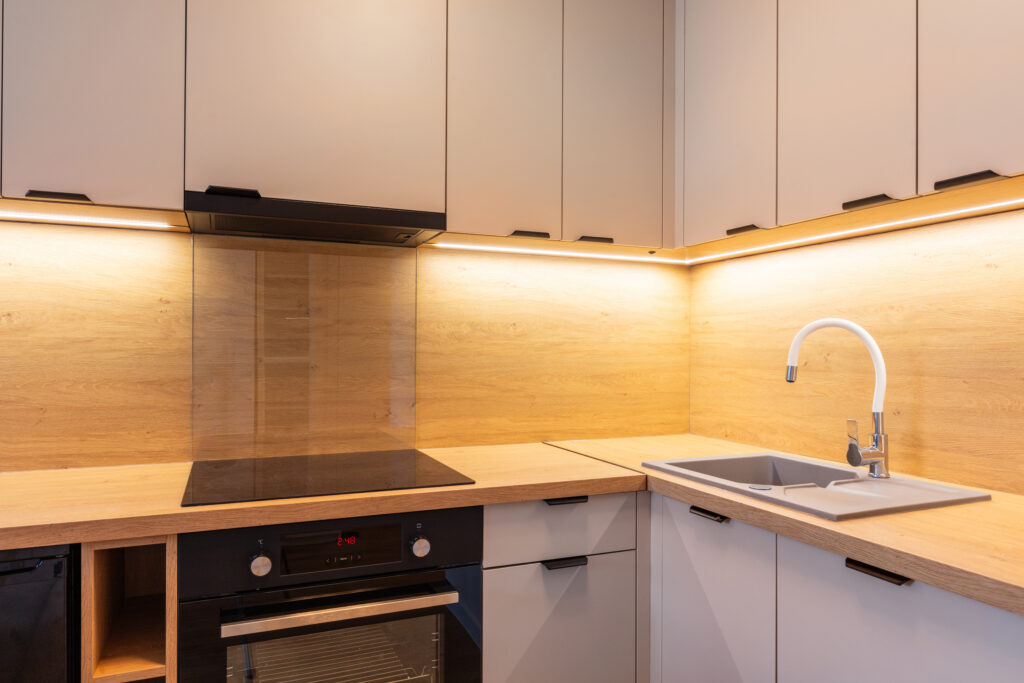
Under-cabinet lighting is one of the most popular applications. It adds useful task lighting to countertops while reducing shadows created by overhead fixtures. This works well combined with downlighting systems. Linear lighting can also be used above cabinets, inside glass-front cabinetry, along toe kicks, or in ceiling details to make the kitchen feel more layered and elevated.
Hallways and circulation spaces
Hallways often suffer from flat or inconsistent lighting. Linear lighting can create a more elegant experience by guiding movement through the space with a continuous wash of light rather than a series of isolated fixtures.
Bathrooms
Bathrooms are another strong fit for linear light fixtures. They can be used around vanities, behind mirrors, within recessed niches, under floating vanities, or in ceiling details.
Bedrooms
In bedrooms, linear lighting can be used in headboard walls, ceiling coves, closet systems, or under-bed details. The result is often softer and calmer than relying on bright ceiling fixtures alone.
As you can see, it is also how you want the light to shape the experience of the room.
What Are the Benefits of Linear Lighting?
The popularity of linear lighting is not just about looks, even though the aesthetic appeal is a major reason people notice it.
Here are some of the biggest benefits.
Clean, modern appearance
Linear lighting immediately creates a more streamlined look. It supports the architecture rather than competing with it, which is especially appealing in homes that aim for a modern, transitional, or customized design style.
Better layering
The best lighting design usually does not rely on just one fixture type. Linear lighting helps create the kind of layered plan that makes a home feel complete. It works alongside pendants, recessed lights, sconces, and decorative fixtures to add depth and balance.
Supports custom design
When linear lighting is integrated into millwork, ceilings, cabinetry, or architectural recesses, it makes the home feel more tailored and intentional. Even relatively subtle applications can create a strong impression.
Works well with dimming and scenes
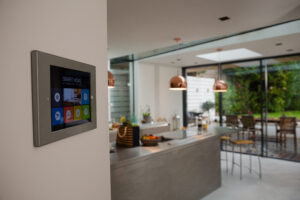
This is an especially important advantage for homeowners interested in smart home control. Linear lighting can often be integrated into lighting scenes, dimming strategies, and whole-home automation systems so spaces can shift easily between bright functional light and softer evening ambience. We recommend Nice Home Automation to homeowners who desire seamless integration of linear lighting with smart technology. The ability to control brightness levels, color temperature, and even dynamic effects through a single system adds not only convenience but also a personalized touch to your living spaces.
AIS Can Help You Design and Install Linear Lighting Systems
Linear lighting is a modern lighting approach that uses long, streamlined fixtures or LED runs to create clean, even illumination throughout the home. It can be used in many ways, from recessed ceiling details to cove lighting, shelf lighting, and under-cabinet lighting in the kitchen. One of the biggest reasons homeowners are drawn to linear lighting is that it combines style and function so effectively. It can make a space feel more polished, more intentional, and more comfortable to use every day. The best results usually come from thoughtful planning, especially when linear lighting is being integrated with dimming, scenes, and smart home control. AIS provides smart lighting design, installation, and integration services across Utah, helping homeowners create lighting systems that feel seamless, functional, and beautifully connected to the rest of the home. Contact us to learn more or use our budget calculator to get an idea of costs.